

As global development and financial systems increasingly integrate climate, nature, and sustainability considerations, the ability to translate frameworks into operational solutions has become essential. A set of three complementary courses (listed below) —on biodiversity finance, environmental, social and governance (ESG) frameworks, and sustainable finance taxonomies collectively strengthen the analytical and operational foundations required for effective sustainability practice. Together, these courses deepen understanding of how financial instruments, reporting frameworks, and taxonomy‑based classifications can be applied to advance environmental sustainability, enhance social and institutional performance, and support organizations in aligning with the evolving global standards.
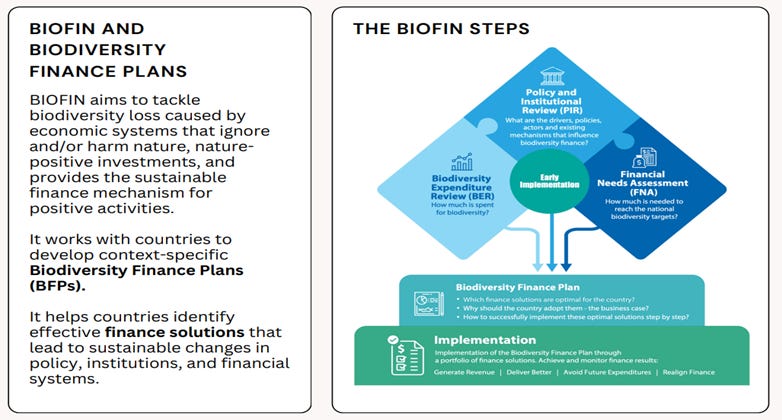
1. Biodiversity Finance: Designing and Implementing Finance Plans for Nature (GEF | UNDP BIOFIN)
The BIOFIN methodology offers a structured, country‑driven approach to identifying biodiversity finance needs and designing actionable financing solutions. The course provided practical tools relevant to public institutions, financial actors, and development partners.
Key insights:
-
Finance diagnostics: How countries assess biodiversity expenditures, financing gaps, and policy bottlenecks.
-
Public finance instruments: Fiscal incentives, subsidy reform, and budget integration that can shift national systems toward nature‑positive outcomes.
-
Private capital mobilization: Approaches to structuring blended finance, risk‑sharing instruments, and partnerships that attract investment into conservation and restoration.
-
Cross‑sectoral coordination: The importance of aligning environmental, economic, and financial actors to address drivers of biodiversity loss.
This training reinforced the value of evidence‑based finance planning as a foundation for nature‑positive development.
2. Introduction to Sustainable Finance Taxonomies (GIZ & Sustainable Banking and Finance Network)
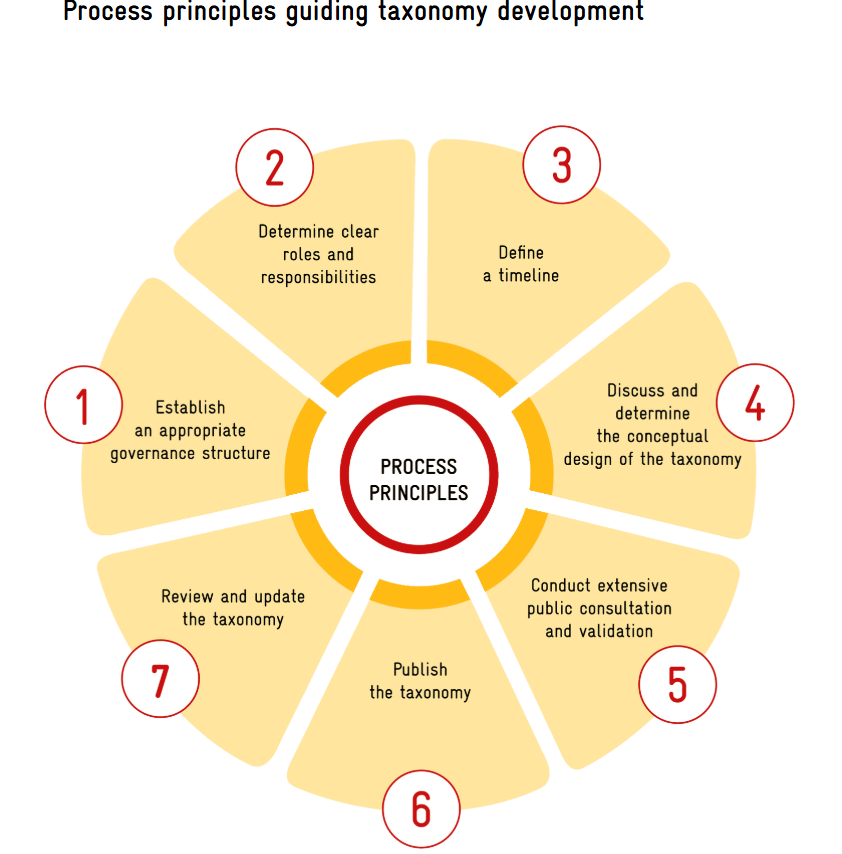
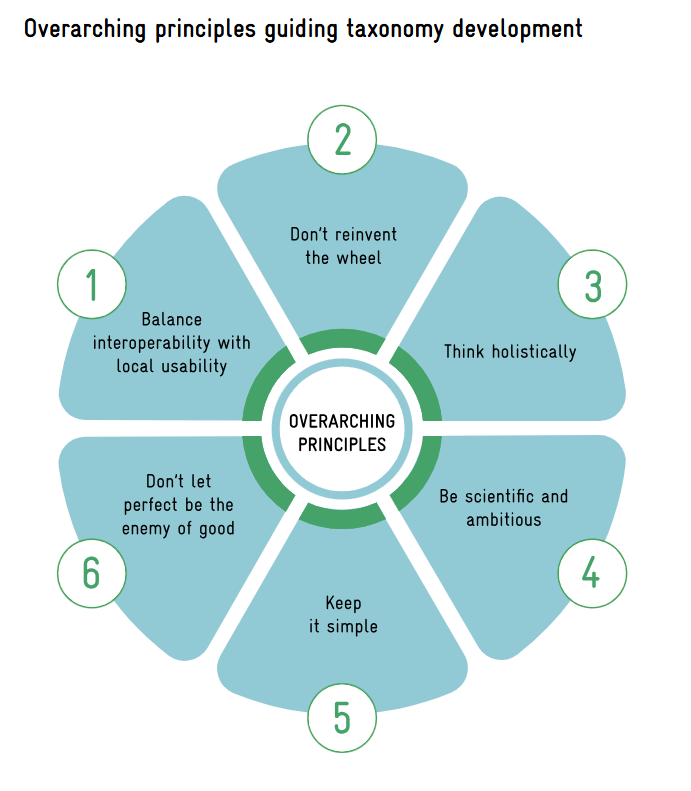
Sustainable finance taxonomies are becoming foundational tools for directing capital toward environmentally sustainable activities. This course provided clarity on their purpose, structure, and application across markets.
Key insights:
-
Common language for markets: Taxonomies reduce ambiguity, improve comparability, and strengthen market integrity.
-
Classification and screening: Understanding how economic activities are assessed against environmental objectives and technical criteria.
-
Global landscape: Comparative insights into the EU, ASEAN, and emerging‑market taxonomies.
-
Application in financial institutions: How taxonomies inform lending, investment decisions, product design, and risk assessment.
-
Mitigating greenwashing: Strengthening transparency and credibility in sustainable finance markets.
3. Diploma in Sustainability & ESG (Udemy)
This course provided a comprehensive grounding in sustainability and ESG frameworks, equipping me with practical tools to support organizations in integrating sustainability into strategy, risk management, and reporting.
Key insights:
-
ESG fundamentals: Understanding environmental, social, and governance dimensions and their implications for risk, resilience, and long‑term value.
-
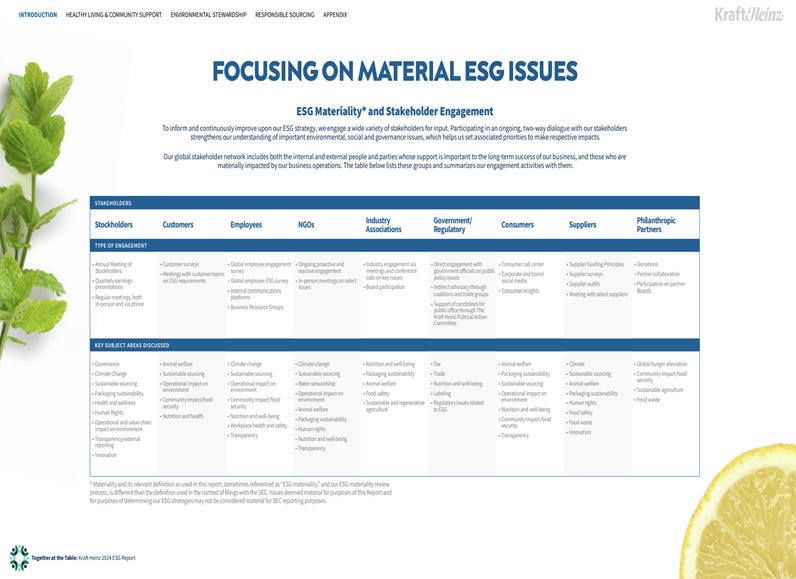
Materiality and stakeholder engagement: Methodologies for identifying priority issues, assessing financial and impact materiality (with attention to “double materiality”) and engaging with stakeholders in a structured, transparent manner.
-
Reporting frameworks: Familiarity with GRI, SASB, TCFD, ISSB (IFRS-S1 and S2), and CSRD—critical for meeting evolving disclosure requirements for transparency and investor confidence.
-
Operational integration: How ESG considerations influence strategy, governance, and performance measurement.
This strengthened my ability to support organizations in aligning with global sustainability standards and responding to market expectations.
Cross‑Cutting Themes
Across all three courses, several themes emerged that are shaping the future of sustainable finance:
-
Sustainable finance requires system‑level alignment—policy, regulation, and private‑sector incentives must reinforce each other.
-
ESG integration is now a baseline expectation, not an optional add‑on, for both public and private actors.
-
Taxonomies are reshaping sustainable finance markets, creating new requirements for transparency and classification.
-
Public–private collaboration is essential to mobilize capital at scale for climate and nature outcomes.
-
Capacity development remains a critical enabler, especially in emerging markets where institutional frameworks are evolving rapidly.
Looking Ahead
As I continue exploring opportunities in sustainable finance and development, I look forward to applying these insights to initiatives that:
-
strengthen enabling environments for nature‑positive investment,
-
support alignment with global sustainability standards,
-
and help financial institutions and public actors mobilize capital toward climate‑ and nature‑aligned development pathways.
Recommended Supplemental Reading:
Financing for Sustainable Development Report 2026: Implementing the Sevilla Commitment, UN Department for Economic and Social Affairs; FSDR2026.pdf