

The morning was crisp when Maja[2] stepped onto the construction site, steel‑toe boots crunching over gravel. At 28, she is a mechanical engineer in a private firm, leading the supervision of a major industrial installation. She wore her protective vest, helmet, gloves — the full gear, and carried the plans she had designed.
As she approached the team, one of the workers glanced at her, then looked past her and asked: “Where’s the Engineer?”
Maja didn’t flinch. She had heard it before — too many times.
She extended her hand and replied, calm and firm:
“You’re looking at the Engineer! Let’s get started.”
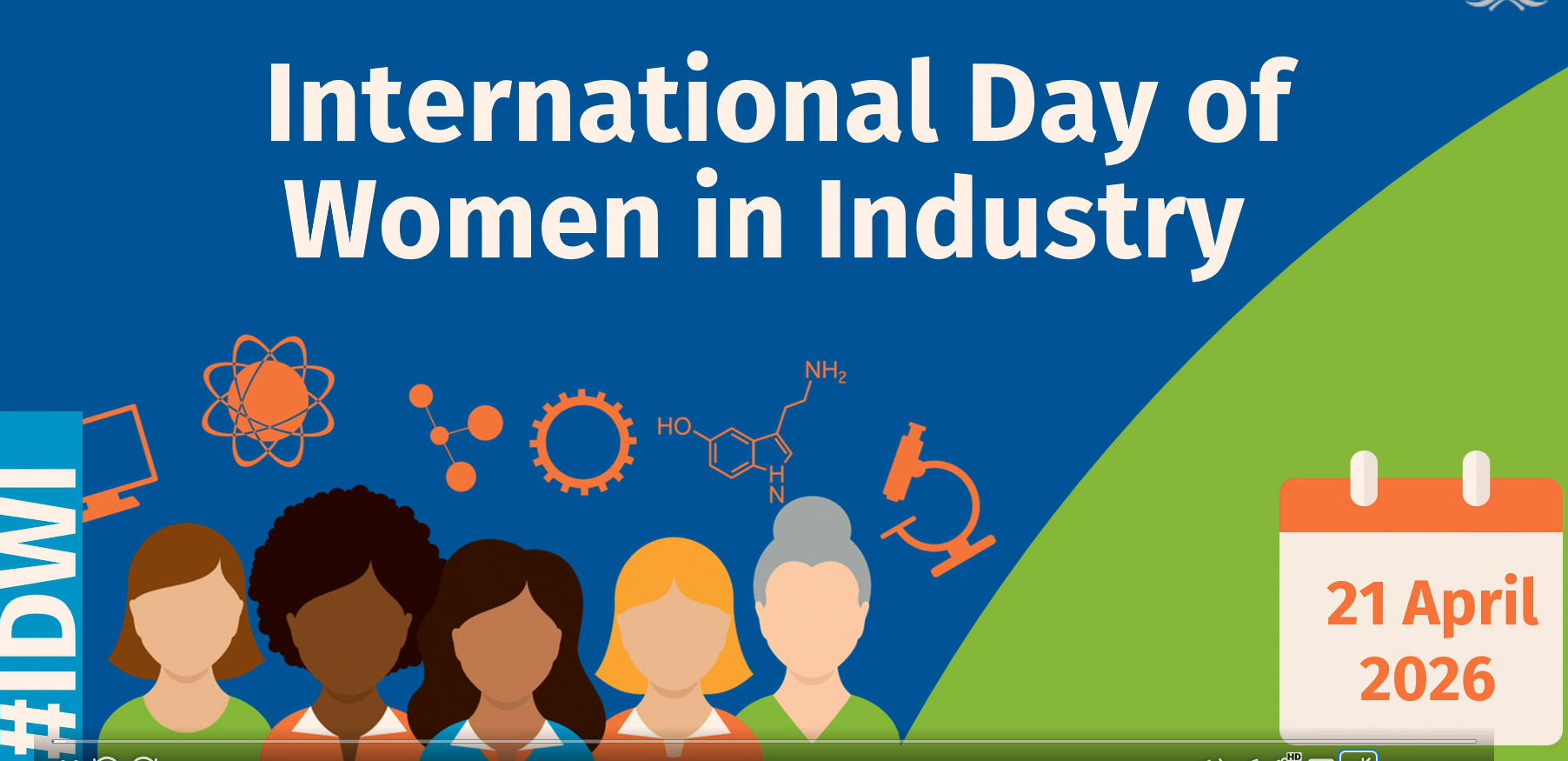
Maja’s Story Reflects the Reality of Thousands of Women in Industry
Across construction sites, manufacturing floors, energy plants, and industrial design labs, women like Maja are reshaping what leadership, expertise, and technical excellence look like.
Yet their daily experiences are shaped not only by stereotypes — but by structural, legal, and institutional gaps.
According to the Women, Business and the Law 2026[3] dataset, no economy in the world has achieved full legal equality for women. Women globally enjoy only two‑thirds of the legal rights of men, and even where laws exist, enforcement remains weak, including in areas such as entrepreneurship, access to credit, and corporate governance.
These gaps directly affect women in industry – from hiring and promotion to safety, mobility, and access to technical roles.
Why Women in Industry Matter — UNIDO Insights
UNIDO highlights that across many industrial sectors, women remain underrepresented, particularly in:
-
higher‑technology manufacturing
-
digital and green technologies
-
industrial innovation
-
leadership and decision‑making roles
Women continue to face barriers such as:
-
unequal access to industrial skills and STEM pathways
-
limited access to technology and digital tools
-
restricted access to finance and capital
-
exclusion from professional and industrial networks
UNIDO is explicit:
Closing these gaps is a question of fairness, and more importantly, a strategic imperative.
Industries and economies that fully embrace the talent of their entire workforce are:
-
more productive
-
more innovative
-
more competitive
-
more resilient to shocks
Ensuring that women can equally participate in and lead industrial transformation is essential to achieving sustainable development, accelerating the green transition, and building future‑ready industrial ecosystems.
Why Women Are Essential to the Future of Industry
Women bring strengths that modern industry needs and global research support this.
1. Systems thinking and precision in engineering and operations
Studies in occupational safety and risk management show that women often apply holistic, systems‑oriented approaches to hazard assessment and operational planning, integrating technical, environmental, and human‑factor considerations.
2. High safety compliance in high‑risk environments
A decade of research on women in occupational health and safety shows that women demonstrate higher adherence to safety protocols, contributing to stronger safety cultures and fewer incidents.
3. Innovation under pressure, especially in resource‑constrained settings
Research on women in risk and compliance shows that women frequently innovate in environments with constraints, whether related to resources, safety, or workforce dynamics. They are also more likely to integrate environmental and social considerations into decision‑making, aligning with the demands of climate‑smart industrial transformation.
Together, these strengths position women as drivers of industrial transformation.
The Barriers Are Structural and Solvable
Women in industry still face:
-
Stereotypes and bias
-
Lack of PPE[4] and tools designed for women
-
Limited mentorship and sponsorship
-
Unequal access to technical training
-
Safety concerns on remote or male‑dominated sites
-
Legal and regulatory gaps that restrict economic participation
The WBL 2026 dataset shows that even where gender‑equal laws exist, supportive frameworks and enforcement mechanisms lag behind, leaving women without the institutional backing needed to thrive in technical and industrial roles.
Further even, most publicly available images[5] of engineers still portray men, reflecting a persistent visual stereotype that sidelines women’s presence in technical and industrial roles.
What Industry Leaders Must Do
To accelerate progress, companies and institutions must move from symbolic gestures to structural change:
-
Recruit intentionally into technical and operational roles
-
Design for inclusion with PPE, tools, and facilities that fit women
-
Invest in skills through apprenticeships, technical training, and leadership pathways
-
Promote visibly by showcasing women engineers and technicians
-
Ensure safety and dignity with zero‑tolerance policies for harassment
-
Embed gender‑responsive approaches in industrial modernization and green transition strategies
-
Align with WBL 2026 insights by strengthening supportive frameworks and ensuring enforcement of gender‑equal legislation
Between 2023 and 2025, 68 economies enacted 113 legal reforms to strengthen women’s economic opportunities — proof that change is possible and accelerating.
A Future Where No One Asks Women, “Where Is the Engineer?”
Maja’s story should not be remarkable. It should be normal.
A future industrial workforce, from mechanical engineering to robotics, from energy systems to advanced manufacturing must be built on competence, not assumptions and stereotypes. On equal opportunity, not outdated norms.
On this International Day of Women in Industry, we celebrate women’s leadership in industrial development.
We celebrate those who design, build, innovate, and lead.
We celebrate the women who show up on site, with expertise, resilience, and leadership, in properly fitted protective gear designed for women.
We celebrate those who were asked, “Where is the engineer?” and answered by doing the work competently and confidently.
And we commit to building an industry where the question never needs to be asked again.
[1] Observed each year on 21 April, since 2025, celebrating the contributions of women to industrial development and promoting a more inclusive and equitable future for industry worldwide. UNIDO 2026. Ref.: https://www.unido.org/international-day-women-in-industry
[2] Fictional name, changed from the original one to protect privacy.
[3] Women, Business and the Law 2026. World Bank 2026. Ref.: Home | WBL
[4] Personal protective equipment or PPE is equipment used to prevent or minimize exposure to hazards such as biological, chemical, electrical, mechanical, radiological, etc. hazards (WHO 2026). Ref.: https://www.who.int/teams/health-product-policy-and-standards/assistive-and-medical-technology/medical-devices/ppe
[5] Ref.: Page 4 | Engineer Photos – Download Free High-Quality Pictures | Freepik